
Philosophy of a circular cousine
Cooking as a way of thinking
Lorenzo’s work begins with two questions: what brings people together around a table? How can society reconnect with nature through food?
These questions have accompanied him throughout his professional journey and continue to guide his work as a chef, researcher and entrepreneur.
Food is often presented as a finished object: something selected, purchased, prepared and consumed. Yet every ingredient is part of a much larger story. It comes from a living ecosystem and carries within it soil, water, climate, labour, knowledge, energy, transportation and cultural memory.
To cook consciously means learning to see this entire system.
For Lorenzo, the kitchen is not the beginning of the process. By the time an ingredient reaches a restaurant, many of the most important decisions have already been made. The way it was cultivated, raised, harvested, processed, packaged and transported determines much of its social and environmental impact.
Circular food thinking must therefore begin before cooking. It starts by asking whether a product is necessary, where it comes from, who produced it and under what conditions. It means choosing appropriate quantities, reducing unnecessary packaging and building relationships with producers who care for their land and understand their work as part of an ecosystem.
Once the ingredient enters the kitchen, another responsibility begins: recognising its full potential.
Circularity is not the attempt to transform garbage into food. It is the ability to act before food becomes garbage. It requires knowledge, observation and planning, as well as the humility to understand that recovering an ingredient is not always the most sustainable choice. If the process requires disproportionate amounts of water, time or energy, discarding or composting may be more responsible than forcing a transformation.
This critical approach distinguishes Lorenzo’s work from a superficial idea of zero waste.
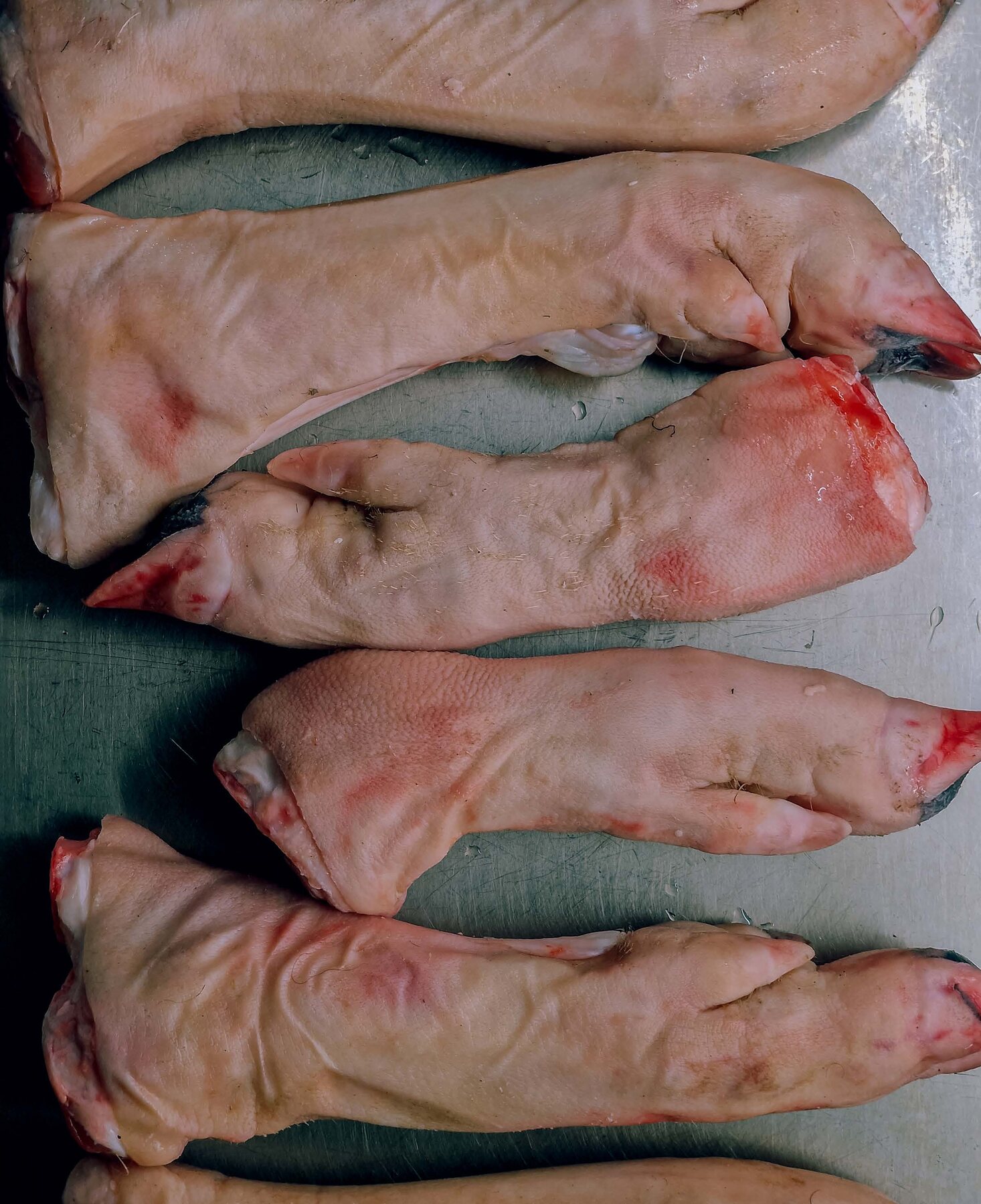
Using a product in its entirety is first of all an act of respect. Root-to-leaf cooking explores the possibilities held within the different parts of a plant, while nose-to-tail cooking recognises the ethical responsibility involved in consuming an animal. Neither approach is simply a culinary trend. Both belong to food cultures that historically relied on ingenuity, preservation and a careful use of limited resources.
Fermentation and preservation are fundamental to this philosophy. They carry forward knowledge developed over generations, originally created to extend the life of food and protect communities during periods of scarcity.
Today, these techniques also offer new textures, flavours and nutritional possibilities. Fermentation in particular transforms ingredients through living microbial processes, revealing forms of acidity, complexity and depth that industrial food systems often remove.
Lorenzo’s work brings together this historical knowledge and contemporary scientific understanding. Tradition is not treated as something fixed or nostalgic, but as a body of experience that can be studied, questioned and transformed.
Territory is equally important. Cooking should begin by exploring the ecosystems surrounding the place in which it happens: cultivated fields, wild landscapes, local varieties, producers and communities.
Prioritising local food does not mean closing the kitchen to the world. Some ingredients from distant regions may have cultural and gastronomic value that cannot simply be replaced. In these cases, fair production and trade practices become essential, as does an awareness of the environmental and social histories behind globally available foods.
Lorenzo’s philosophy is therefore neither restrictive nor dogmatic. It is based on attention, proportion and responsibility.
It also recognises that individual actions alone cannot repair the global food system. Saving a lemon peel or half a litre of milk will not change the world by itself. Yet these actions can make us active and conscious participants in the construction of a more balanced future.
A kitchen can become a place where environmental responsibility is practised rather than merely discussed. A restaurant can become a cultural platform. A meal can make visible the relationships connecting humans, landscapes and other living beings.
Above all, Lorenzo believes that change must remain connected to pleasure. Food creates memories, carries affection and brings people together. Hospitality, generosity and a Mediterranean sense of conviviality are therefore central to his work.
A more responsible food culture cannot be built through guilt alone. It must also create curiosity, enjoyment, beauty and the desire to participate.
Keep exploring