
Cook the Loop
Circular thinking, experienced together
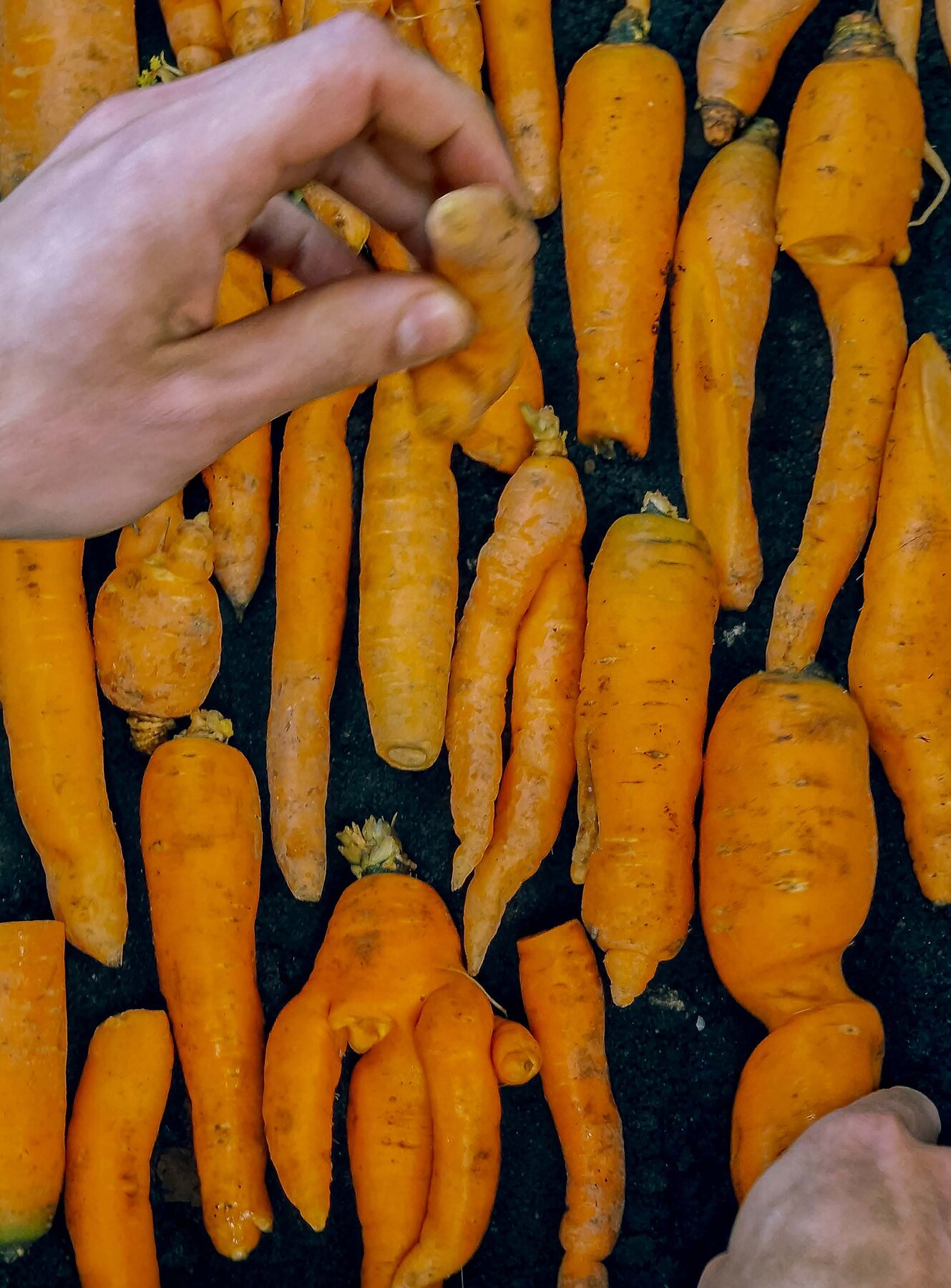
Cook the Loop is a participatory project created by Lorenzo Dal Bo to make circular food thinking practical, understandable and engaging.
The project begins with a simple observation: food waste does not start in the bin. It is often produced by decisions made much earlier — during planning, purchasing, production, packaging, storage and preparation.
Cook the Loop invites participants to follow the entire journey of an ingredient and to identify the moments in which value can be preserved rather than lost.
The “loop” refers to a system in which resources remain active for as long as possible. An ingredient is not approached only for its most familiar or commercially desirable part. Its different components, possible transformations and future uses are considered from the beginning.
Through cooking, tasting and discussion, participants discover how surplus ingredients can be preserved, how less familiar parts can acquire new value and how techniques such as fermentation, dehydration and pickling can extend the life of food while creating new flavours.
The aim is not to celebrate recovery at any cost. Cook the Loop encourages critical decision-making. Sometimes transforming a small quantity of food may consume more energy, water and labour than its recovery justifies. Circularity therefore requires knowledge and proportion, not automatic rules.
This makes Cook the Loop more than a zero-waste cooking class. It is a way of understanding the wider food system through direct experience.
The project also considers sourcing, packaging and relationships with producers. Choosing a high-quality ingredient, knowing how it was made and understanding the work behind it often changes the way people use it. Care begins before cooking.
Cook the Loop can be adapted for professionals, companies, schools, festivals, institutions and private groups. Its modular structure allows it to become a practical workshop, an interactive conference, a corporate experience, a pop-up dinner or a temporary restaurant.
The content can focus on domestic food waste, professional kitchen systems, fermentation, preservation, menu planning, plant-based circularity or the development of new products and experiences.
Every version combines knowledge with participation. People are not asked only to listen: they observe, cook, taste, question and contribute their own experiences.
Cook the Loop does not promise that a single workshop will solve the problems of the global food system. It offers something more realistic and potentially more lasting: the tools to become an informed, active and conscious participant in change.
Keep exploring